“What would Jesus do?” is a fine question until someone applies it to a national border the way a bumper sticker applies it to a traffic jam. Suddenly the options shrink to “open the gates and hand out the snacks” or “you’re not a real Christian.” Most of us have stood in that checkout line long enough to know the answer is usually neither. Jesus, as the record shows, was remarkably specific about both mercy and limits. He also had a habit of answering a loaded question with a better one.
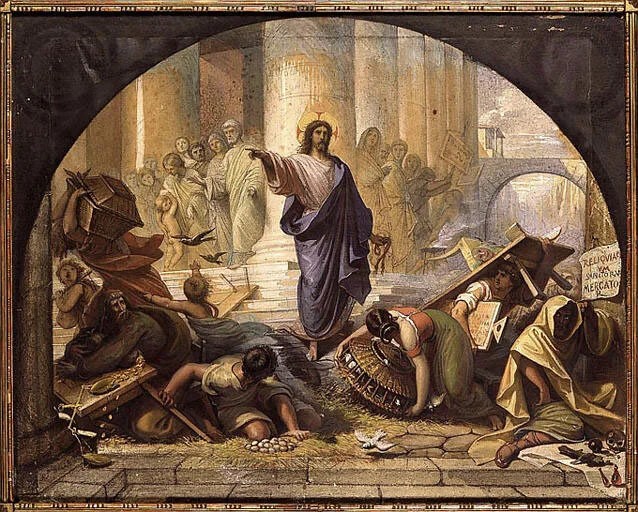
Start with the part everyone quotes. The Good Samaritan (Luke 10) is not a parable about immigration policy; it is a story about a man who stops for a stranger (not a criminal, illegal alien) bleeding in a ditch when the respectable people walk past. The command to love the sojourner in Leviticus 19 is equally direct: do not oppress the (legal) stranger, treat him fairly, remember that you could be a stranger in a strange land, too. Do unto others, Golden Rule, etc. These are not suggestions. A Christian who has never helped a person in genuine need is missing something essential. That part is not complicated.
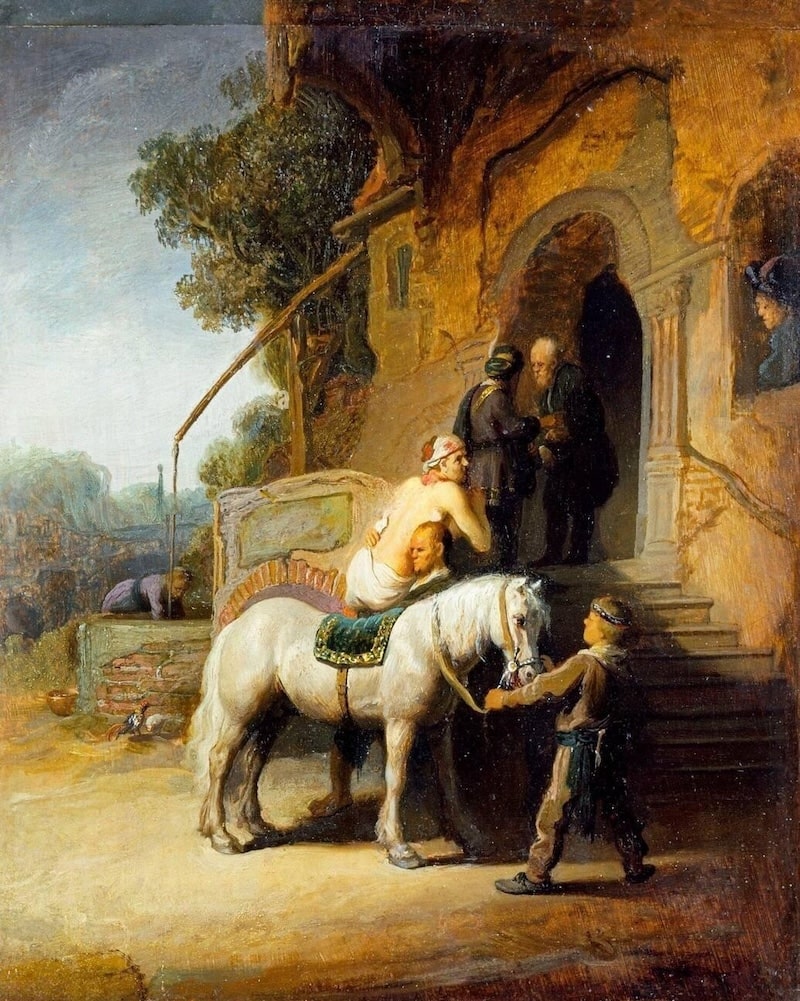
The rest of the book, however, refuses to stop at the bumper sticker. Matthew 7:6 offers a practical warning that still surprises people who only read the first half of the chapter: do not give what is precious (The Word of God) to those who will trample it and then turn on you. The Gospels, ordered liberty, and the basic expectation that women are not property are precious. Handing them over without regard to whether the recipient intends to keep them is not hospitality; it is poor stewardship. Acts 17 notes that God set boundaries for nations. Biblical Israel had gates. The lawful sojourner received protection and equal justice under the law, yet he also lived under that law. Unlimited claim on generosity and entitlement was not part of the deal.
Then there is the blunt instruction in 2 Thessalonians 3: “If anyone is not willing to work, let him not eat.” It is difficult to turn that into a slogan. It is also difficult to pretend it does not apply once someone has legally crossed a border. Compassion systematically subsidizes idleness or the refusal of basic norms eventually running out of other people’s money and patience, earned from industry not idleness. Societies that discover this the hard way tend to become less, not more, able to help the people who need it.

The modern pressure to treat every arrival as an automatic neighbor, entitled to indefinite residence and benefits they didn’t earn or pay for, often skips these distinctions. Irregular flows that are heavily weighted toward young men from places with very different rules about women, authority, and violence have produced measurable costs in several countries—higher rates of certain crimes, slower employment, and neighborhoods that function more like parallel societies than extensions of the host. Formal programs that prioritize families and the vulnerable have different records. The data are not a secret; they are simply inconvenient for the slogan. Pointing them out does not require cruelty. It requires noticing that resources and social trust are not infinite, and that self-preservation is the condition for any long-term generosity, understanding or tolerance.

A reasonable reading of “What would Jesus do?” therefore includes both the man in the ditch and the pearls. It includes the sojourner and the gate. It includes the call to repent and the recognition that not everyone who arrives has accepted that call. Justice and compassion meet under law, not in the space where law is treated as an obstacle to good feelings. Christians can (and should) show personal mercy without demanding that their political community pretend cultural distance, demographic reality, and the duty to work do not exist. Those who insist the only Christian answer is unlimited acceptance are asking the question in a way that already contains their preferred reply. The fuller record is less convenient and more durable.

We are, in the end, on a mission from God. The mission includes the wounded stranger. It also includes not handing the mission over to people who intend to rewrite the instructions once they are inside. Both parts can be true at once. The trick is refusing the demand to choose only one.

