Gentlemen,
Our justice system operates on the principle that one is innocent until proven guilty. Why, then, does the Veterans Administration (VA) seem to operate under the opposite assumption when it comes to veterans’ care and disability ratings?
Upon verifying service through documents like the DD-214 and issuing an ID card, the VA should immediately assume veterans are entitled to care as promised by the very ethos of our military service: “To care for him who shall have borne the battle, and for his widow, and his orphan.” This statement by Abraham Lincoln in his second inaugural address at the end of the Civil War, carries no qualifiers; it’s a promise to care for all veterans, regardless of where they served or what they endured.
However, the current system is fundamentally flawed. Veterans are forced to spend considerable time and effort proving their ailments are service-related, which contradicts the unconditional service and sacrifices we’ve made. Veterans took an oath without caveats; we committed to follow orders, defend the Constitution, and potentially give our lives. In return, we should receive care without the burden of proof.
The administration of the VA by civilians lacking military or combat experience has been problematic. With Pete Hegseth potentially becoming the new Secretary of Defense, there’s hope for change. This matter should also resonate with President Trump, and I believe the Department of Government Efficiency (DOGE), under the influence of Elon Musk and Vivek Ramaswamy, could address these inefficiencies with common sense and innovation.
A New Philosophy for the VA:
Prioritization: The veteran should be the priority. Upon entering a VA facility, instead of the impersonal request for “Last Name and Last Four,” why not use modern technology like facial recognition and/or other biometrics for both security and personalized greetings? This would not only enhance security but also personalize and streamline the care process.
Efficiency and Technology: Implement integrated, high-tech systems to improve efficiency. Veterans should feel welcomed and valued, much like guests at a Disney resort where the business model is simple: treat every customer as a cherished guest.
Perception and Recruitment: The negative perception of the VA could deter potential recruits. If the VA were seen as a place where veterans are genuinely cared for, it might attract and keep more individuals to military service.
Facility Management and Care:
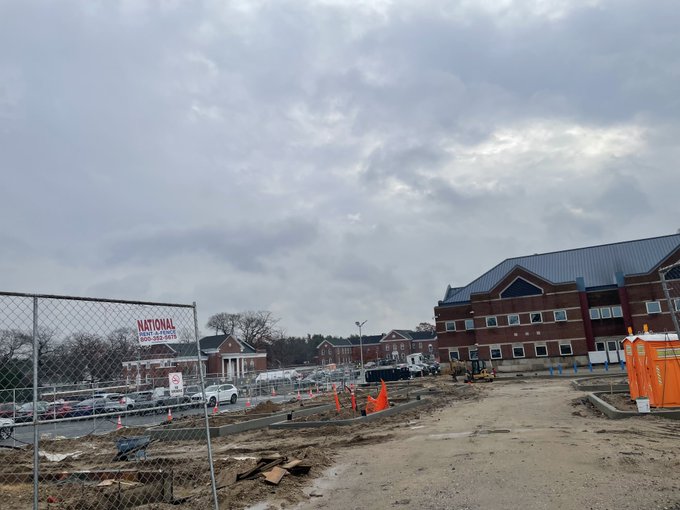
At Northport VA on Long Island, NY, the ongoing disrepair and delays in basic maintenance projects like HVAC systems or parking areas reflect a deeper issue of neglect. A 3-year, $21 million project, started in 2018, is still unfinished. These conditions not only degrade the quality of care but also demoralize veterans who must navigate an environment that seems to have forgotten them. Part of my 36-year career in education and education leadership involved public school facilities management. Some of the jobs in the capital projects plan for the Northport VA could have been completed in 6-8 weeks, rather than the current 6-8 years!
My personal health experience, after 22 years of military service including combat deployments, involves dealing with issues like hearing loss, tinnitus, sleep apnea, and PTSD, yet the process to receive care or compensation feels like an additional battle.
Rethinking VA Budgeting and Care:
The VA’s budgeting must be adaptive to the fluctuating needs of veterans, not constrained by typical government fiscal policies. The number of new claimants cannot be accurately predicted from year-to-year. It’s been over 16 years since I retired, and I am only now applying for a disability rating for the first time. Imagine the savings and improved care if we assumed veterans’ health issues were service-related unless proven otherwise? This shift could redefine the VA from an adversarial entity to one that truly supports and heals those who served.
I understand the current disability application system results in compensation, but what if I don’t need the money, just the care? Because the process is so arduous, complex and full of bureaucratic red tape, it could take months for approval, disapproval, appeals and other delays. Many veterans needlessly pay others to help them through the application process.
Conclusion:
I urge you to consider these changes, to let loose the capabilities of DOGE and the leadership of Pete Hegseth on this broken system. We should treat the whole person, not just the ailments deemed service-connected. A wholistic approach to healthcare is the most effective. Veterans have given much; it’s time the VA reflects this nation’s gratitude and commitment to our well-being by honoring Lincoln’s compassionate vision for veteran care.
 Saving Grace at Guantanamo Bay