Recently, President Elect, Donald J. Trump has shown interest in a much closer relationship with Greenland, an autonomous country in the North Atlantic, but a protectorate of Denmark. The following is a “best way forward” approach to improving our relationship with “Kalaallit” (the people) of Greenland “Kalaallit Nunaat” (Land of the People).
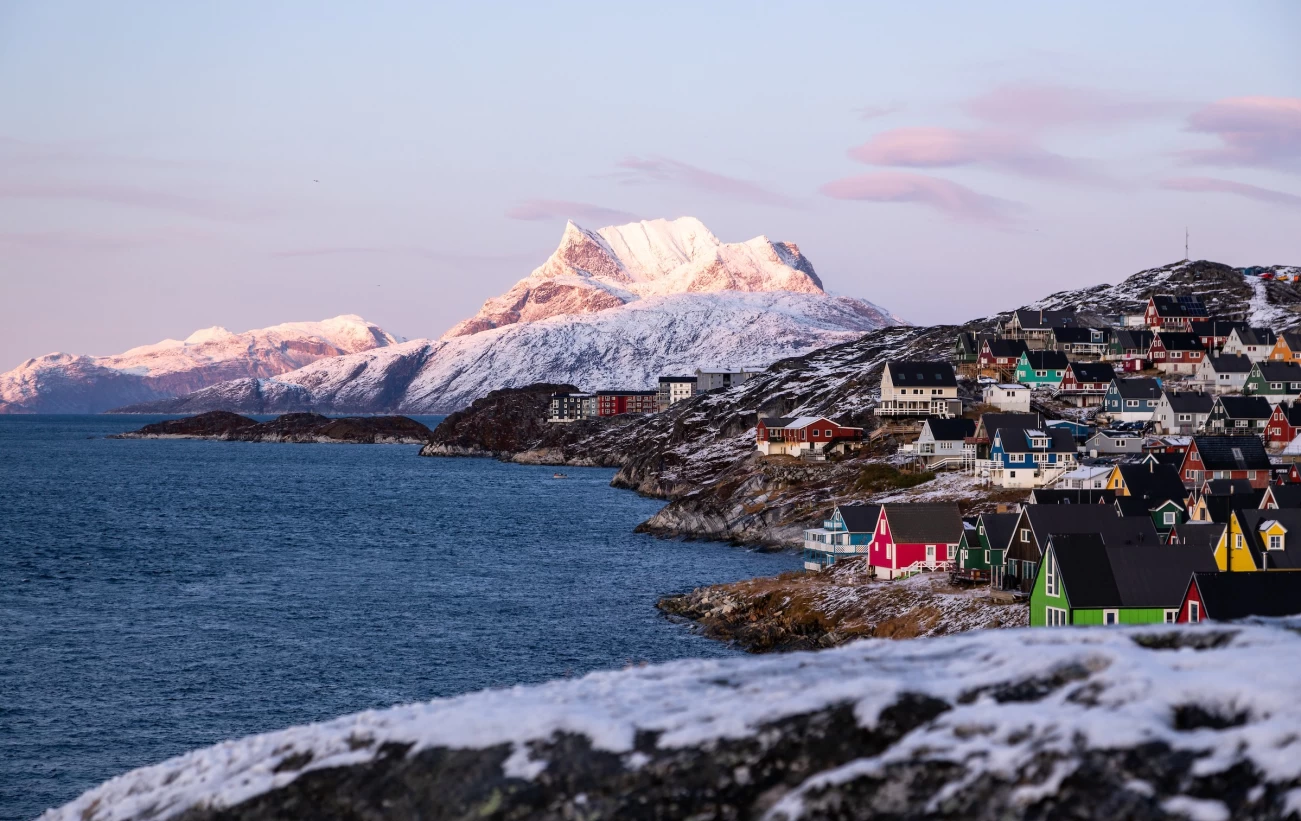
Greenland is a land of breathtaking beauty and rich traditions, home to resilient people who have preserved their heritage in the face of a changing world. As Greenland charts its path toward greater autonomy and prosperity, there is an opportunity for a deeper partnership with the United States that could unlock new possibilities for economic growth, security, and cultural preservation. By exploring the idea of Greenland becoming a protectorate or commonwealth of the United States, we can envision a future that respects Greenland’s unique identity while providing resources and opportunities to enhance the quality of life for all its people.
Respect for Greenland’s History and Culture
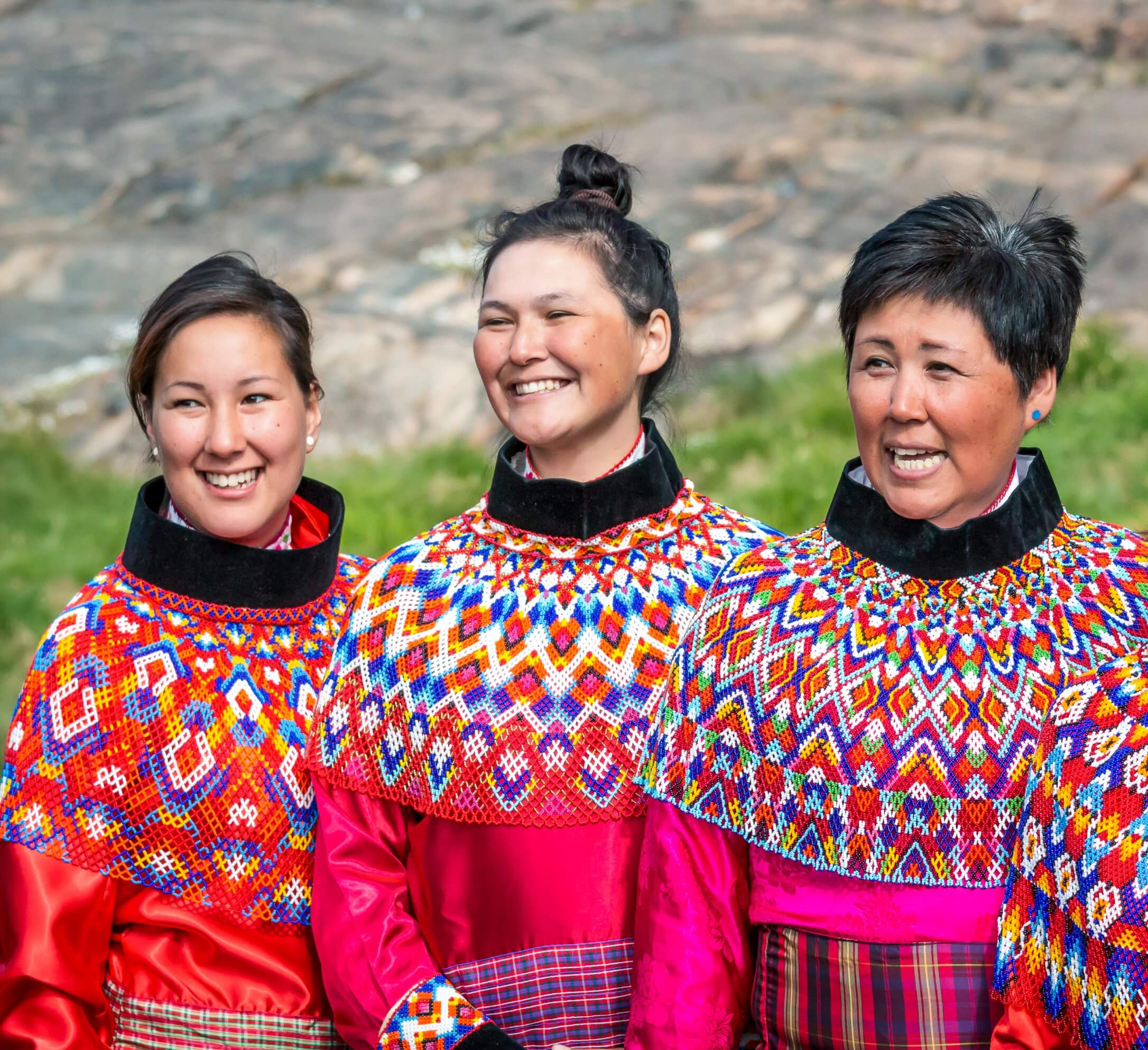
Greenland is more than just a vast, icy expanse—it is a vibrant land with a proud Indigenous heritage. Any partnership with the United States would honor and protect Greenland’s culture, language, and traditions. Greenlanders have fought for and achieved self-rule, and this autonomy would remain at the heart of any agreement. Much like Puerto Rico or the Northern Mariana Islands, Greenland could maintain its distinct identity while benefiting from access to American resources and global networks.
Unlocking Greenland’s Economic Potential
Greenland is rich in natural resources that can fuel its development and prosperity. Rare earth minerals, critical for renewable energy and modern technologies, lie beneath Greenland’s surface. With U.S. investment and technology, Greenland could responsibly develop these resources, creating jobs and generating revenue while protecting the environment.
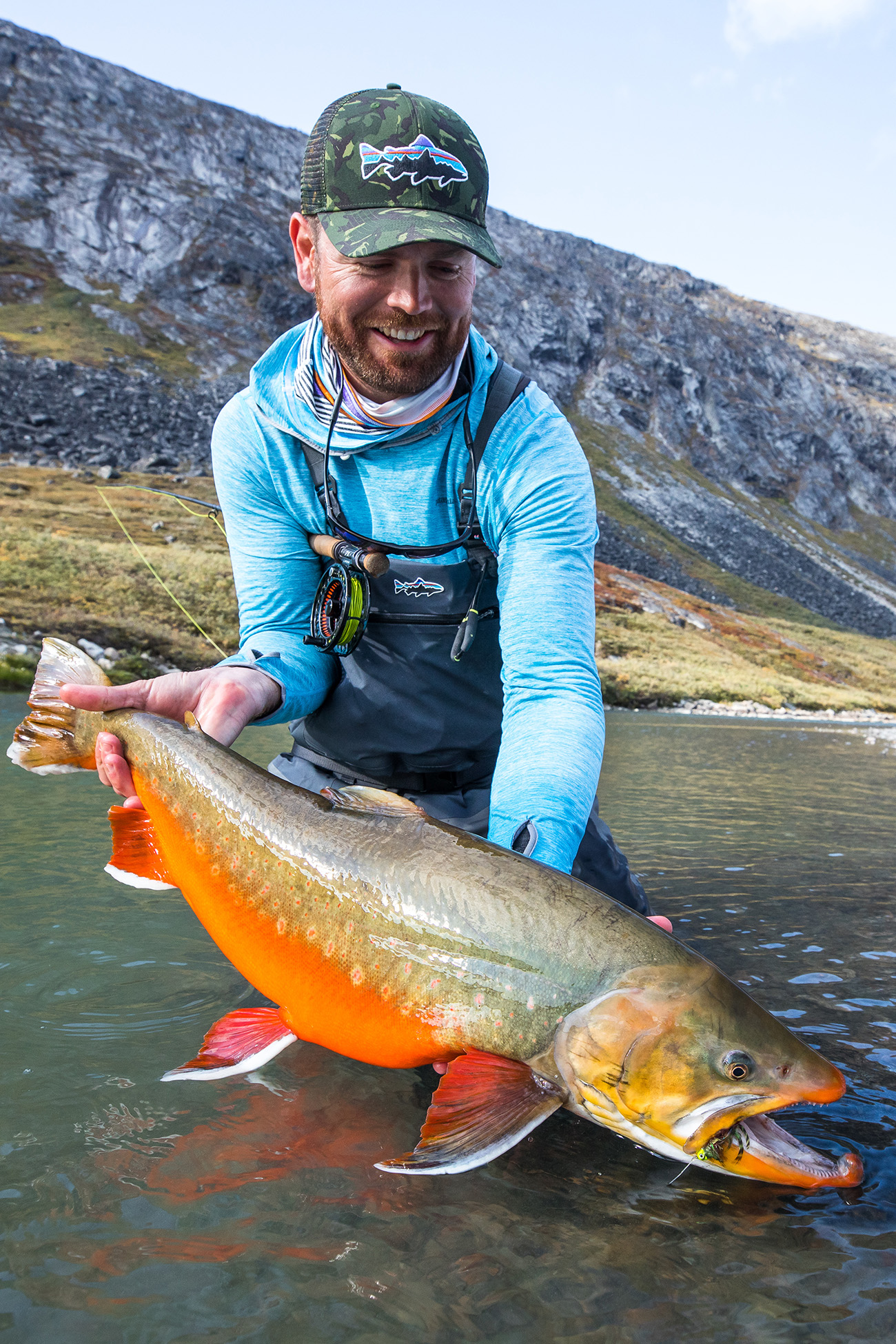
Tourism, already a growing industry, could flourish with the support of U.S. infrastructure development, including modern airports and sustainable transportation systems. Greenland’s fisheries—among the most pristine in the world—could gain better access to international markets, boosting the livelihoods of Greenlandic fishermen.
Moreover, U.S. partnerships in education and training could equip Greenlanders with the skills to lead these industries, ensuring that the wealth generated benefits the local population first and foremost.
Security and Sovereignty in the Arctic: “Greenland First!”
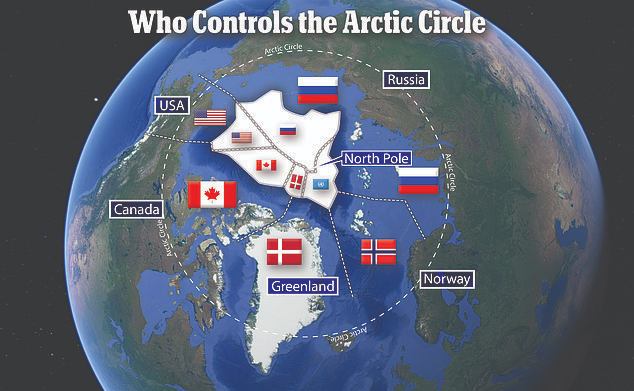
Greenland’s location in the Arctic places it at the center of global attention. If changing weather patterns create new shipping routes, Greenland would face increased interest from powerful nations like China and Russia. A closer relationship with the United States could provide Greenland with the resources and expertise to protect its sovereignty and ensure that its people—not foreign powers—control its destiny.
The United States has long recognized Greenland’s strategic importance, hosting Thule Air Base as a vital part of international security. By formalizing a partnership, Greenland could gain greater support for protecting its waters and infrastructure while contributing to regional stability. Something Denmark cannot afford to do, economically or strategically.
Improving Quality of Life for Greenlanders
A partnership with the United States could bring transformative benefits to Greenlandic communities. Improved healthcare facilities, modernized schools, and expanded vocational training could provide Greenlanders with new opportunities to thrive. Investments in renewable energy and sustainable development would not only create jobs but also position Greenland as a global leader in combating climate change.
In particular, Greenland’s youth could benefit from enhanced educational opportunities, including scholarships to study abroad and training programs to prepare them for leadership roles in government, business, and science. These investments would ensure that Greenland’s next generation has the tools to build a prosperous and self-sufficient future.
A Relationship Built on Respect – Inuuqatigiitsiarniq: Living in Harmony
Greenland’s path forward must be shaped by its people. Any partnership with the United States would require the consent and participation of Greenlanders at every step. This would not be an arrangement of dominance but of mutual benefit—where Greenland retains control over its culture, resources, and governance while gaining access to the tools and partnerships needed to succeed on the global stage.
Living in harmony, or Inuuqatigiitsiarniq to the Inuit’s indigenous to Greenland, embodies respect, kindness, and fostering good relationships with others. It reflects a way of life that values cooperation, mutual respect, and a deep connection to the community and environment.
The idea behind Inuuqatigiitsiarniq is about maintaining balance and showing consideration for all living beings, which aligns with the Greenlandic and Inuit cultural ethos of respecting nature, elders, and each other.
The United States has a history of working with territories and protectorates in ways that respect their autonomy and cultural heritage. Greenland could shape this relationship to reflect its unique identity and values, ensuring that its voice is heard, and its traditions are preserved.
A Shared Future
The challenges and opportunities facing Greenland are immense. From the effects of climate change to the pressures of globalization, Greenland stands at a crossroads. By forging a closer partnership with the United States, Greenland could secure its future while retaining its heritage. Together, we could create a model of cooperation that respects the past, embraces the present, and builds a brighter future for generations to come.

The choice belongs to the people of Greenland. With careful consideration and mutual respect, this partnership could be a journey toward shared prosperity and enduring friendship.
Montgomery J. Granger (@mjgranger1) is a Christian, husband, father, retired educator, veteran, author of “Saving Grace at Guantanamo Bay: A Memoir of a Citizen Warrior,” and narrator of a short YouTube documentary film based on his book called “Heroes of GITMO.”
This article was assisted by Grok.
 Saving Grace at Guantanamo Bay