A Partnership for Prosperity: Why Greenland and the United States Could Thrive Together

Recently, President Elect, Donald J. Trump has shown interest in a much closer relationship with Greenland, an autonomous country in the North Atlantic, but a protectorate of Denmark. The following is a “best way forward” approach to improving our relationship with “Kalaallit” (the people) of Greenland “Kalaallit Nunaat” (Land of the People).
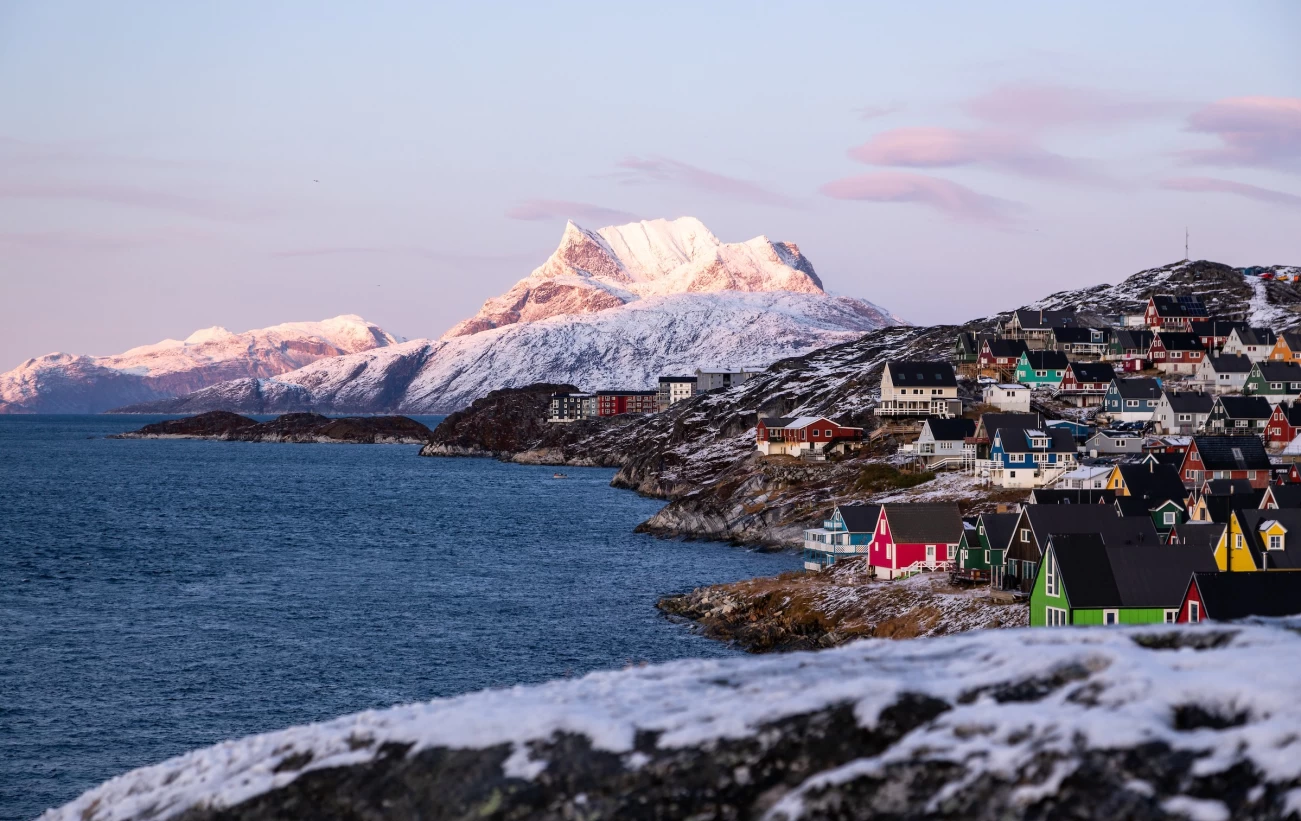
Greenland is a land of breathtaking beauty and rich traditions, home to resilient people who have preserved their heritage in the face of a changing world. As Greenland charts its path toward greater autonomy and prosperity, there is an opportunity for a deeper partnership with the United States that could unlock new possibilities for economic growth, security, and cultural preservation. By exploring the idea of Greenland becoming a protectorate or commonwealth of the United States, we can envision a future that respects Greenland’s unique identity while providing resources and opportunities to enhance the quality of life for all its people.

Respect for Greenland’s History and Culture

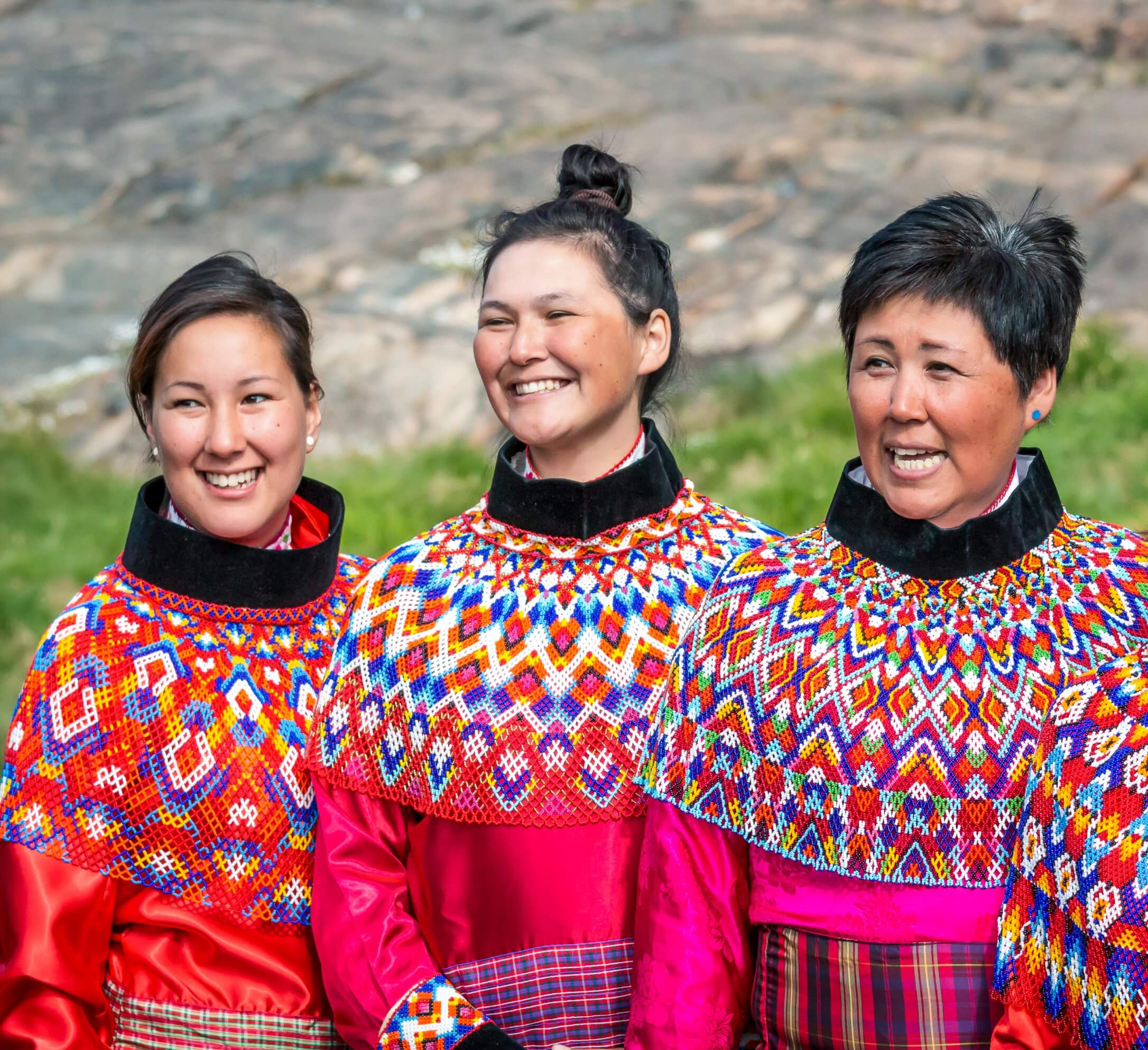
Greenland is more than just a vast, icy expanse—it is a vibrant land with a proud Indigenous heritage. Any partnership with the United States would honor and protect Greenland’s culture, language, and traditions. Greenlanders have fought for and achieved self-rule, and this autonomy would remain at the heart of any agreement. Much like Puerto Rico or the Northern Mariana Islands, Greenland could maintain its distinct identity while benefiting from access to American resources and global networks.
Unlocking Greenland’s Economic Potential

Greenland is rich in natural resources that can fuel its development and prosperity. Rare earth minerals, critical for renewable energy and modern technologies, lie beneath Greenland’s surface. With U.S. investment and technology, Greenland could responsibly develop these resources, creating jobs and generating revenue while protecting the environment.

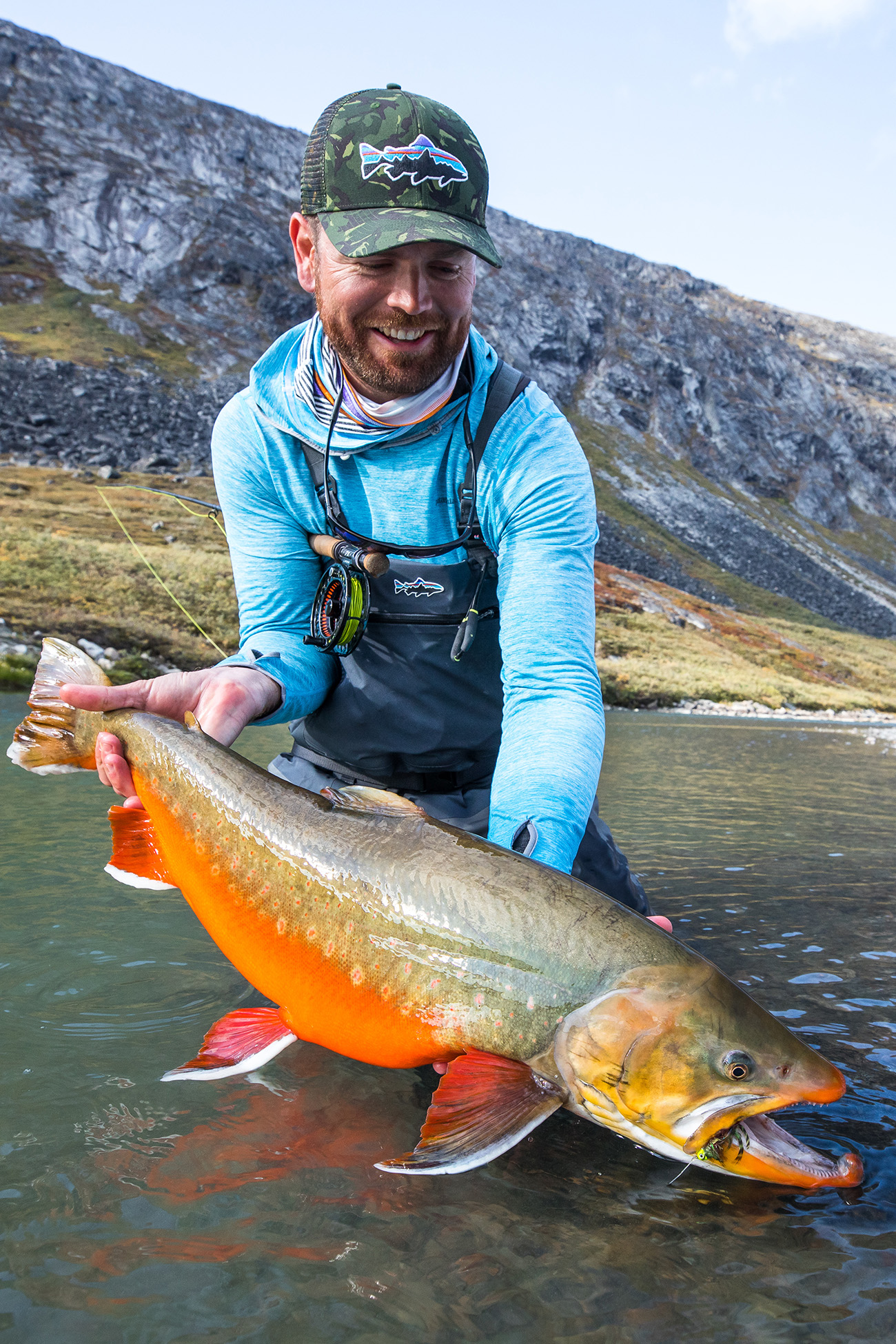
Tourism, already a growing industry, could flourish with the support of U.S. infrastructure development, including modern airports and sustainable transportation systems. Greenland’s fisheries—among the most pristine in the world—could gain better access to international markets, boosting the livelihoods of Greenlandic fishermen.

Moreover, U.S. partnerships in education and training could equip Greenlanders with the skills to lead these industries, ensuring that the wealth generated benefits the local population first and foremost.
Security and Sovereignty in the Arctic: “Greenland First!”

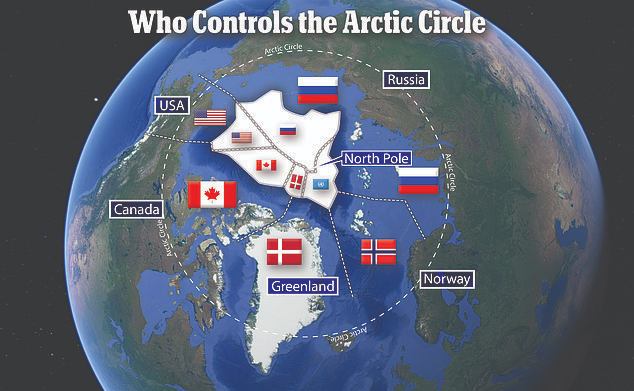
Greenland’s location in the Arctic places it at the center of global attention. If changing weather patterns create new shipping routes, Greenland would face increased interest from powerful nations like China and Russia. A closer relationship with the United States could provide Greenland with the resources and expertise to protect its sovereignty and ensure that its people—not foreign powers—control its destiny.

The United States has long recognized Greenland’s strategic importance, hosting Thule Air Base as a vital part of international security. By formalizing a partnership, Greenland could gain greater support for protecting its waters and infrastructure while contributing to regional stability. Something Denmark cannot afford to do, economically or strategically.
Improving Quality of Life for Greenlanders

A partnership with the United States could bring transformative benefits to Greenlandic communities. Improved healthcare facilities, modernized schools, and expanded vocational training could provide Greenlanders with new opportunities to thrive. Investments in renewable energy and sustainable development would not only create jobs but also position Greenland as a global leader in combating climate change.

In particular, Greenland’s youth could benefit from enhanced educational opportunities, including scholarships to study abroad and training programs to prepare them for leadership roles in government, business, and science. These investments would ensure that Greenland’s next generation has the tools to build a prosperous and self-sufficient future.

A Relationship Built on Respect – Inuuqatigiitsiarniq: Living in Harmony

Greenland’s path forward must be shaped by its people. Any partnership with the United States would require the consent and participation of Greenlanders at every step. This would not be an arrangement of dominance but of mutual benefit—where Greenland retains control over its culture, resources, and governance while gaining access to the tools and partnerships needed to succeed on the global stage.

Living in harmony, or Inuuqatigiitsiarniq to the Inuit’s indigenous to Greenland, embodies respect, kindness, and fostering good relationships with others. It reflects a way of life that values cooperation, mutual respect, and a deep connection to the community and environment.

The idea behind Inuuqatigiitsiarniq is about maintaining balance and showing consideration for all living beings, which aligns with the Greenlandic and Inuit cultural ethos of respecting nature, elders, and each other.

The United States has a history of working with territories and protectorates in ways that respect their autonomy and cultural heritage. Greenland could shape this relationship to reflect its unique identity and values, ensuring that its voice is heard, and its traditions are preserved.

Tupilak art – meaning “ancestors spirit or soul.”

A Shared Future

The challenges and opportunities facing Greenland are immense. From the effects of climate change to the pressures of globalization, Greenland stands at a crossroads. By forging a closer partnership with the United States, Greenland could secure its future while retaining its heritage. Together, we could create a model of cooperation that respects the past, embraces the present, and builds a brighter future for generations to come.

Donald Trump, Jr., with “Kalaallit” (the people).

The choice belongs to the people of Greenland. With careful consideration and mutual respect, this partnership could be a journey toward shared prosperity and enduring friendship.

Montgomery J. Granger (@mjgranger1) is a Christian, husband, father, retired educator, veteran, author of “Saving Grace at Guantanamo Bay: A Memoir of a Citizen Warrior,” and narrator of a short YouTube documentary film based on his book called “Heroes of GITMO.”

This article was assisted by Grok.

BARACK vs VLADIMIR: AN UNFAIR MATCH

Not long after President Barack “empty chair” Obama warned Russian President Vladimir Putin NOT to intervene militarily in the Ukraine, and then Russia invaded anyway, our buffoon Secretary of State John Kerry called it an “incredible act of aggression.”

Really? How? No one was killed or even arrested when Russia blockaded the Ukrainian army and navy and seized important airports in the Crimea.

The move was rather stealthy, but should have been expected. A week before the incursion our intelligence service alerted the Obama administration that action on Russia’s part in the Ukrainewas “imminent.”

In this June 17, 2013, file photo, President Barack Obama meets with Russian President Vladimir Putin in Enniskillen, Northern Ireland. Photo Credit: Evan Vucci/AP

In this June 17, 2013, file photo, President Barack Obama meets with Russian President Vladimir Putin in Enniskillen, Northern Ireland. Photo Credit: Evan Vucci/AP


But even so, what could a weakened U.S. do about it? And therein lies the rub – doing something about anything. Obama has so weakened our posture overseas that of course Russia will do whatever Russia wants to do, especially in its own sphere of influence.

It wasn’t that long ago that the former Soviet Union included the Ukraine and the Crimea, a decidedly Russian province, which holds the key to Russia’s influence in the central Asian and southern seas: the warm water port of Sevastopol. For without that outlet, Russia would be forced to send ships (and influence) from high on the eastern Baltic Sea at St. Petersburg.

The knee jerk reaction Putin exhibited when elected pro-Russian Ukrainian leader Viktor Yanukovych fled the Ukraine for Moscow, was that of a mama bear defending its cub. The history of Crimea is decidedly pro-Russian, and Putin is happy at any opportunity to expand mother Russia’s influence and resources.

What is the Obama response so far? Impose sanctions on “individiuals and entities” responsible for Russia’s military takeover,authorized but not implemented travel bans and the freezing of assetssix F-15s in Lithuania, 12 F-16s and 300 troops in Poland, and a destroyer in the Black Sea; all that in response to Russia’s deployment of 30,000 troops.Ahem.

The ancient Chinese military genius Sun Tzu once said, regarding the employment of the military: “If it is not advantageous, do not act. If it is not attainable, do not employ troops. If it is not in danger, do not do battle.”

Cartoon.

Cartoon.

The Obama administration’s tough talk on Russia’s invasion of the Ukraine is not backed by virtually anything other than tough talk.

It would be profoundly unfair to law-abiding Russian citizens, many of whom have embraced democracy and capitalism quite successfully since 1991, to damage Russian Banks with western economic sanctions in an attempt to hurt Putin. And make no mistake, Obama’s current strategy is all about hurting Putin, his opponent, and with whom he is strikingly under matched.

Vladimir is playing chess while Barack is playing checkers. They might as well play tennis, where, presumably, the president may have a fighting chance because currently he is not merely outmatched; he is in another time zone, physically and figuratively.

While Obama was still asking who the heck Edward Snowden was, Putin was cutting deals with the American traitor. While Obama was in Washington watching Bob Costas’ eyes turn red in Sochi, Putin was back in Moscow negotiating an arms deal with the Egyptians. Check, check, and double-check! One more move and it’s going to be check mate!

At the risk of grossly oversimplifying this situation, imagine if you would, a game of Risk. Would you ever, even in your wildest imagination, GIVE BACK territory to your opponent while seriously trying to win the game? Of course not! Why then does Barack Hussein Obama think he can win the geopolitical game of risk he’s playing now after apologizing for us, having given away Iraq, promising to give away Afghanistan, balking at enforcing a “red line” in Syria, allowing four Americans to be slaughtered in Benghazi, removing tanks from Europe, and proposing budget cuts to the military?

CAMP PENDLETON, CA - AUGUST 07:  U.S. President Barack Obama delivers remarks during his visit at Camp Pendleton Marine Corps base with troops and their families to thank them for their service on August 7, 2013 in Camp Pendleton, California. Obama announced today that he canceled a planned meeting with Russian President Vladimir Putin in Moscow amid tensions over National Security Agency leaker Edward Snowden and other issues. Credit: Getty Images

U.S. President Barack Obama delivers remarks during his visit at Camp Pendleton Marine Corps base with troops and their families to thank them for their service on August 7, 2013 in Camp Pendleton, California. Obama announced today that he canceled a planned meeting with Russian President Vladimir Putin in Moscow amid tensions over National Security Agency leaker Edward Snowden and other issues. Credit: Getty Images


Obama’s actions as Commander in Chief would be laughable if they didn’t make you cry! All the while, Putin is toying with his prey like a tiger with a mouse!

“Easy to criticize, harder to come up with a plan that will work,” you say? How about this: first, turn back the clock and elect Mitt Romney. Remember him, the guy who said during the election debates that our most formidable geopolitical foe was Russia? Yeah, that’s the guy. Remember how Obama mocked him?

“The 1980′s are now calling to ask for their foreign policy back?”

Former Alaska Governor Sarah Palin warned about Russia as well and was completely trashed in the liberal media for it.

Second, it’s the Cold War all over again apparently, with Russia supporting Syria and basically everyone else that we are politically allergic to. Then there’s China, testing limits to their east with disputes over Taiwan; Japanese waters and islands.

Then of course there’s Iran, you know, the country we used to have sandwiched between Iraq and Afghanistan? A strong presence in Iraq, Afghanistan and the western pacific would send the message that expansionist ideas would be dealt with swiftly and decisively.

President Obama with Russian President Vladimir Putin

President Obama with Russian President Vladimir Putin


Without power projection platforms in countries near disputed lands and a serious presence on the seas, we can’t influence diddly squat. Obama has us in retreat in every possible capacity. The chess game is lost. Risk is now unwinnable. Tennis anyone?

And that brings us full circle.

Whatever anemic things Obama comes up with at this point (the Crimean government is holding a referendum on joining the Russian Federation later this month, will probably have adopted the Russian Ruble by then as well, and undoubtedly have already kissed their cousins, nieces and nephews in the Ukraine!), will be completely inconsequential.

The European Union does NOT have the stomach to make any meaningful retaliatory moves (certainly none militarily), so Russia is free to explore their options, which at this point appear to be UNLIMITED, courtesy of the man of the hour, Barack Hussein Obama.

I am the author of “Saving Grace at Guantanamo Bay: A Memoir of a Citizen Warrior,” and am a three times mobilized U.S. Army Reserve Major (Retired). Follow me on Twitter @mjgranger1.