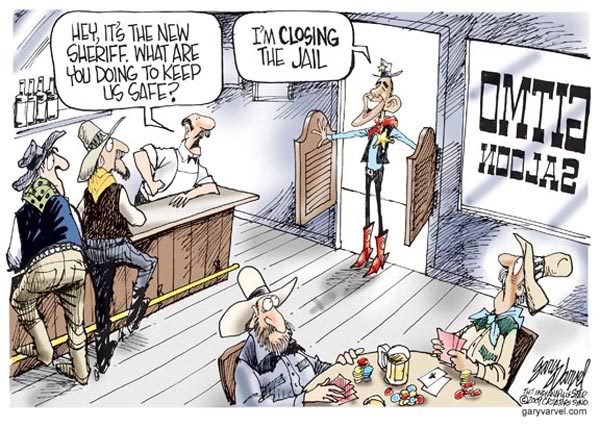
The release of known terrorists, especially during an ongoing Global War on Terror, seems counterintuitive and potentially dangerous. The analogy of “capture-the-flag” illustrates this point succinctly: retaining captured adversaries weakens their side; letting them go weakens your side. However, the decision by the Biden administration to release 11 Yemeni detainees from Guantanamo Bay (Gitmo) in January 2025 has sparked significant debate and concern.
Historical Context and Gitmo’s Role:
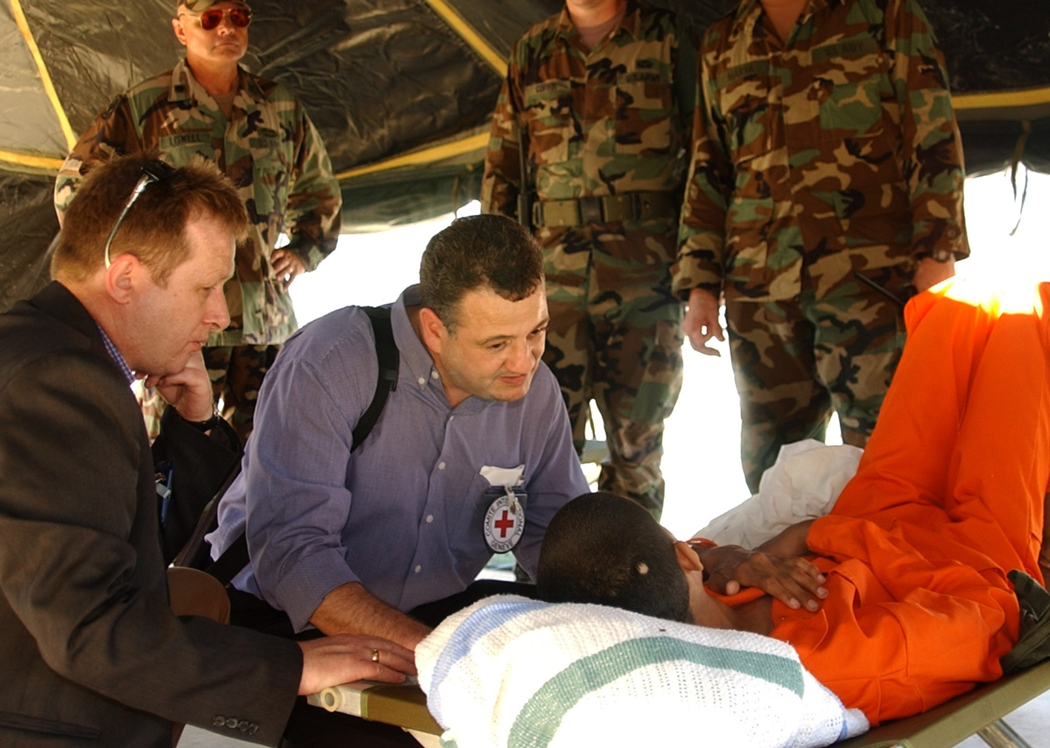
The US military detention facility at Guantanamo Bay, Cuba (Gitmo), was initially established as a response to international crises but was repurposed after 9/11 to detain unlawful combatants from Afghanistan, individuals intent on perpetrating acts of terror against the U.S. and its allies. The facility was operated with a directive to treat detainees within the spirit of the Geneva Conventions, as articulated by then-Secretary of Defense Donald Rumsfeld, ensuring dignity and respect for prisoners, which was confirmed by international observers like those from the International Committee of the Red Cross.
The Risks of Releasing Terrorists:
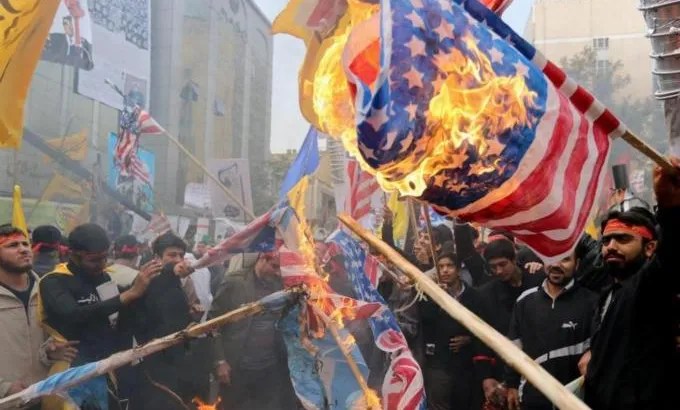
Releasing known terrorists, particularly those with direct links to al-Qaeda and Osama bin Laden, sends a message of weakness at a time when terrorist threats, including attacks like those in Germany, New Orleans, and Israel, underscore the persistent danger posed by radical Islamic terrorism. The statistics are alarming: of the over 750 detainees released from Gitmo, 30% are known or suspected to have returned to terrorism, suggesting that the threat these individuals pose does not necessarily diminish with release.

Legal and Moral Considerations:
The Law of War allows for detention of unlawful combatants as well as POWs, without charge or trial, until hostilities cease. However, the treatment and release of these detainees have been influenced by political pressures and evolving legal frameworks, notably the Military Commissions Acts of 2006 and 2009, which have granted detainees rights akin to those in civilian courts. This shift contrasts with historical precedents like Operation Pastorius, where swift military justice was administered to German saboteurs during WWII.

The moral argument against torture or harsh treatment was somewhat overshadowed by the effectiveness of Enhanced Interrogation Techniques (EIT) in obtaining life-saving intelligence, though these practices were later discontinued. Yet, the comparison between Gitmo’s operations and the brutal treatment of captives by terrorist groups like ISIS or Hamas starkly underlines the ethical disparity.

Current Threats and Global Implications:
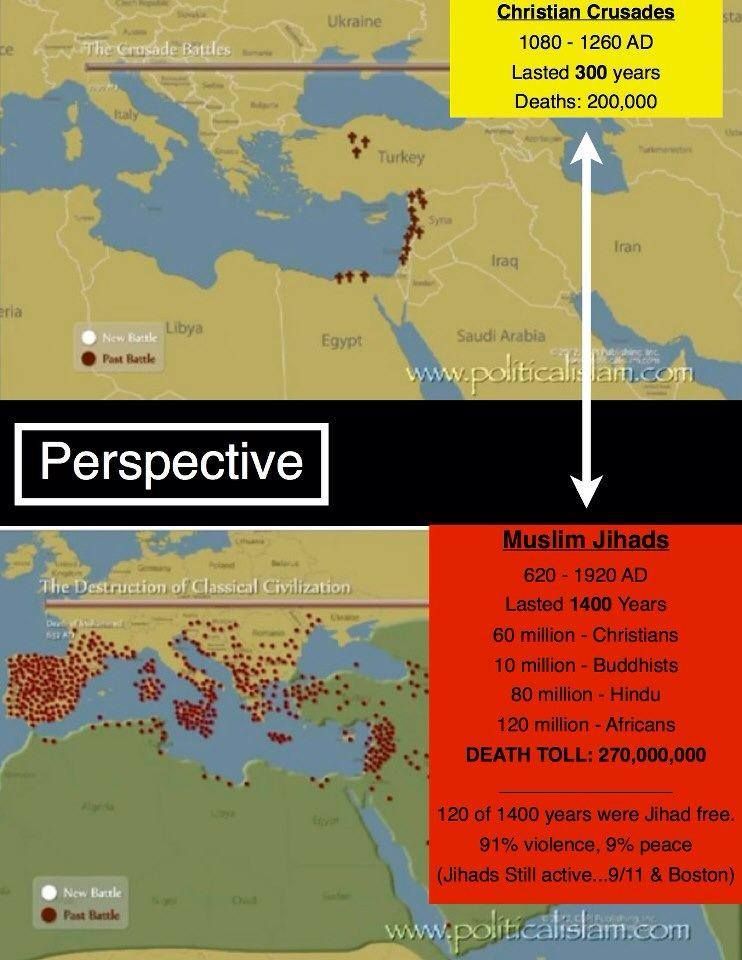
The recent spate of terrorist activities globally, including the Hamas attacks in Israel, challenges the notion of “peaceful Islam” and forces a reevaluation of policies like detainee release. The narrative of Islamophobia versus genuine security concerns becomes more pronounced when considering the historical expansionist nature of Islam and its doctrinal roots in conquest, as seen through the actions of Muhammad and the spread of Islamic rule over centuries.
Conclusion:
Releasing known terrorists during the Global War on Terror not only potentially endangers national security but also undermines the moral and strategic efforts of those combating terrorism. It raises questions about the commitment to the war’s objectives and the safety of citizens worldwide. In an era marked by increased terrorist activities and the ideological spread of radical Islam, such actions could be seen not just as misguided but as potentially treasonous, especially when the lessons from past conflicts and current threats are so evidently clear. The decision to release these individuals should be critically examined in the context of ongoing global security challenges.
Montgomery Granger is a retired major in the US Army, and author of “Saving Grace at Guantanamo Bay: A Memoir of a Citizen Warrior,” and narrator of the short YouTube documentary film, “Heroes of GITMO.”
This blog post was assisted with the use of Grok.



 Saving Grace at Guantanamo Bay